Support Strategies
Supporting children with PDA involves recognizing their need for autonomy and reducing anxiety through predictable, flexible, and collaborative approaches. Each child is unique, and effective strategies may vary from day to day.

At Home
Strategies include collaborative problem-solving, using indirect language, offering flexible routines, minimizing demands, and creating safe spaces for downtime.
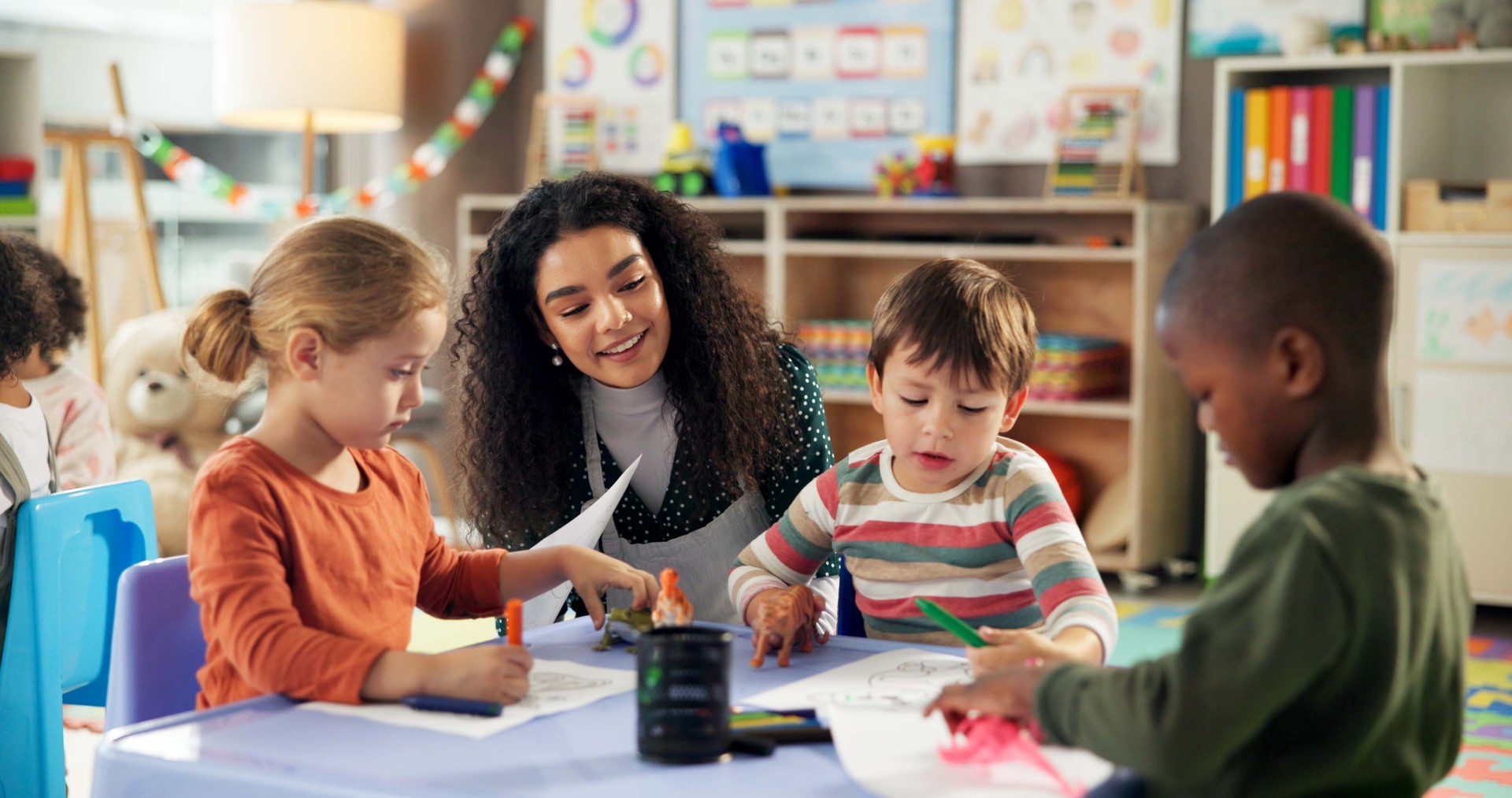
At School
Strategies include offering flexible deadlines, breaking tasks into smaller steps, giving options for participation, and minimizing unnecessary demands.

Friends & Family
Strategies include offering choices, encouraging participation without coercion, and using indirect or playful approaches to requests.
Support Strategies at Home
Remember that PDA behaviors stem from genuine anxiety, not willful disobedience. The goal isn't compliance - it's connection, trust, and helping your child develop skills to manage their anxiety in their own way. Here are four key strategies you can start to implement today at home-
Support Strategies at School
Teachers can support students with a PDA profile by using flexible, low-demand approaches that reduce pressure and help the child feel safe and in control. Effective strategies often include offering choices, using collaborative language, breaking tasks into manageable steps, and allowing extra time for transitions. Instead of direct instructions, teachers may use indirect requests, playful engagement, or curiosity-based prompts, which help the student stay regulated and more willing to participate.
This video was designed for educators to better understand Pathological Demand Avoidance (PDA) and explore practical strategies to support students with PDA in the classroom.
Please visit the library for additional downloadable resources to support in the classroom.
Support Strategies with friends & family
Supporting a child with a PDA profile means recognizing that their behaviour is driven by anxiety and a need for control. Family and friends can help by keeping interactions low-pressure, offering choices, using gentle playfulness, and maintaining predictable routines. Patience, calmness, and curiosity help when challenges arise—focus on the underlying anxiety, offer reassurance, and celebrate small wins. Open communication with caregivers ensures consistency, helping the child feel safe and supported.